
De wet Peach

R100,00
In stock
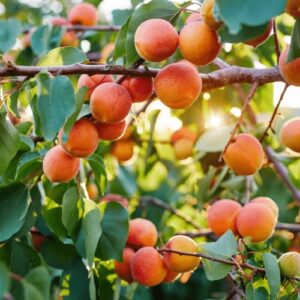
The 'De Wet' peach is an early-ripening, low-chill variety well-suited to warmer climates, particularly in South Africa. Key care instructions involve providing full sun, proper watering, and regular, specific pruning.
Planting and Location
- Sunlight: Plant in a location that receives full sun (at least 6–8 hours daily) to ensure good yield and flavor. Morning sun helps dry dew and prevent fungal diseases.
- Soil: The tree thrives in well-drained, fertile, and light soil with a slightly acidic pH (ideally around 6.5). Avoid heavy clay or areas where water pools to prevent root rot.
- Planting: Dig a hole roughly twice as wide and deep as the root ball. Amend the soil with well-rotted compost or organic matter.
Watering and Fertilizing
- Watering: Water deeply and regularly, especially during dry spells and when the fruit is swelling. Young trees need consistent moisture until established. Avoid waterlogging; the soil should be consistently moist but never soggy.
- Mulching: Apply a layer of organic mulch (like pine bark or compost) around the base of the tree to retain moisture, suppress weeds, and regulate soil temperature. Keep the mulch a few inches away from the trunk to prevent rot.
- Fertilizing: Use a balanced, slow-release fertilizer in early spring. Follow product instructions carefully, as over-fertilizing can harm the tree.
Pruning and Maintenance
- Pruning: Prune annually during the dormant season (late winter to early spring) to maintain an open, vase shape. This improves airflow and sunlight penetration, which is crucial for disease prevention and fruit quality. Remove any dead, diseased, or crossing branches.
- Fruit Thinning: When fruits are small (about cherry-sized), thin them out to leave approximately 6–8 inches between each peach. This prevents branch breakage and promotes larger, healthier fruit.
- Pest and Disease Control: Inspect the tree regularly for pests like aphids and peach tree borers, and diseases such as peach leaf curl and brown rot. Maintain good orchard hygiene by removing fallen fruit and dead branches. Organic options like neem oil can be used for prevention and treatment.
Harvesting and Storage
- Harvesting: 'De Wet' peaches typically ripen in late October. The fruit is ready when the skin develops a deep golden or reddish color, has a fragrant aroma, and yields slightly to gentle pressure.
- Storage: Peaches do not store well and are best eaten fresh. They can be placed in a brown paper bag to ripen further at room temperature. For longer storage, they can be frozen after being washed, pitted, and sliced.

Reviews
There are no reviews yet.